The Paradox of Emptiness and Fullness
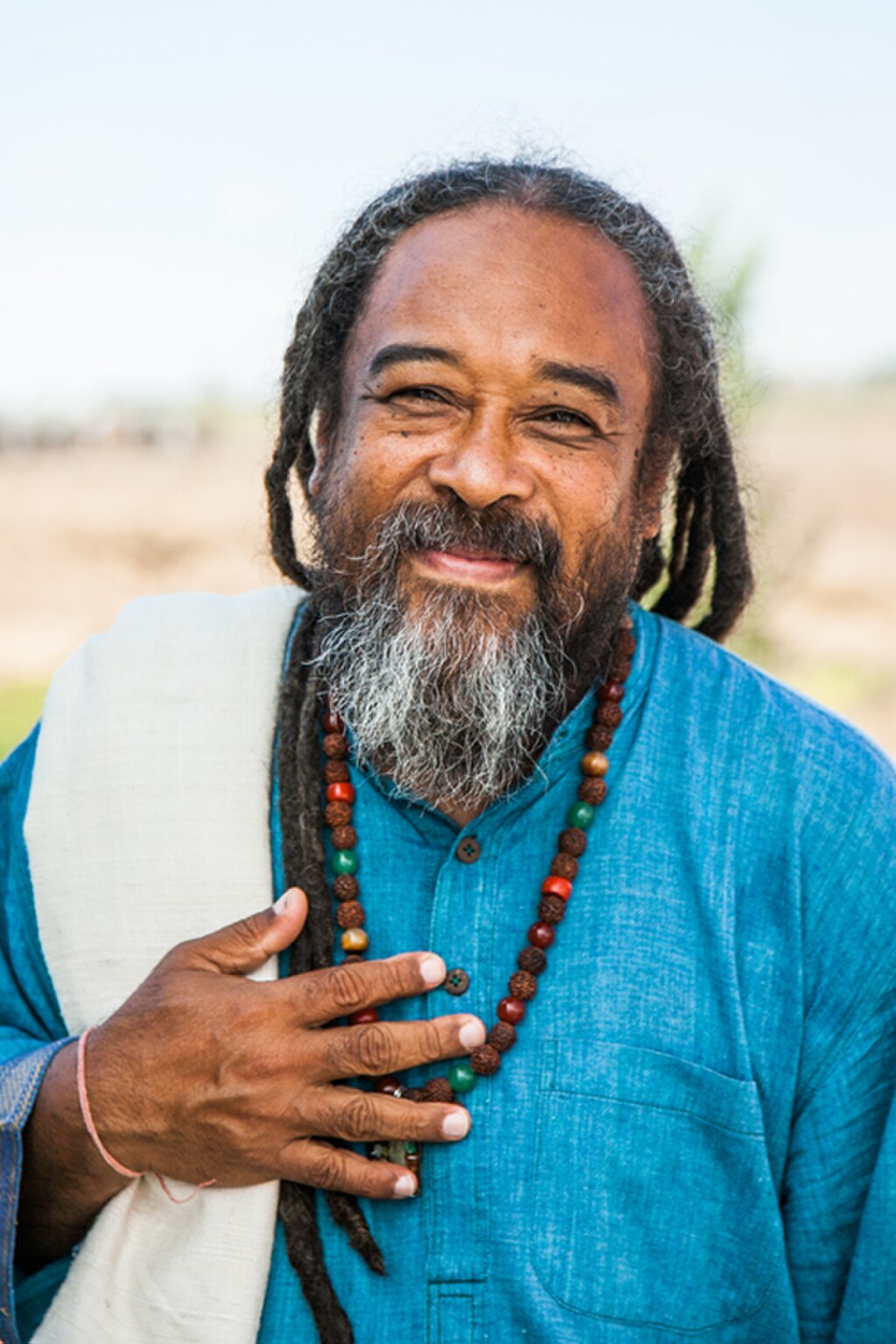
Mooji's profound statement, "Be empty so that you can be full," invites us to explore the intricate dance between emptiness and fullness in our lives. At first glance, this paradox may seem counterintuitive; how can one be empty and yet full? Yet, this teaching beckons us to consider the transformative power of letting go—of attachments, preconceived notions, and the incessant chatter of the mind. In a world that often equates worth with accumulation, Mooji’s words remind us that true abundance arises from a state of openness and receptivity.
Delving deeper, we find that this notion of emptiness is not merely a void but a fertile ground for new possibilities. It suggests a radical shift in perspective, urging us to relinquish our tightly held beliefs and identities. In doing so, we create space for the fullness of life to enter—an invitation to experience the richness of existence without the burdens of ego or expectation. This teaching resonates with the essence of non-dual philosophy, where the interplay of opposites reveals a deeper truth about our nature and the universe.
The image / the metaphor
The imagery in Mooji's quote evokes a sense of paradox that is both striking and profound. To "be empty" conjures visions of a vessel devoid of contents, yet it is precisely this emptiness that allows for the potential of fullness. The verbs chosen—"be" and "can be"—suggest a state of being that is dynamic and alive, rather than static. This emptiness is not a lack but a spaciousness, a readiness to receive what life has to offer. It is an invitation to shed the layers of our conditioned selves, allowing the essence of who we are to emerge.
In the speaker's tradition
Mooji's teaching is deeply rooted in the non-dual tradition, which emphasizes the interconnectedness of all things and the illusion of separation. Concepts such as *sunyata* (emptiness) in Buddhism and *fana* (annihilation of the self) in Sufism resonate with this idea of embracing emptiness as a pathway to realizing our true nature. In this context, emptiness is not a nihilistic void but a profound state of awareness where the self dissolves into the greater whole. This understanding aligns with the notion of *kenosis*, or self-emptying, found in various spiritual traditions, which encourages us to let go of the ego to experience divine fullness.
In the *Upanishads*, a foundational text in Hindu philosophy, we find echoes of this teaching in the concept of *prajna*, or wisdom, which arises from the realization of our inherent unity with the cosmos. The *Taittiriya Upanishad* speaks of the layers of existence, suggesting that true fulfillment comes from recognizing our essential nature beyond the transient aspects of life. Mooji's quote encapsulates this wisdom, inviting us to engage in the transformative process of emptying ourselves to discover the fullness of our being.
Living the teaching
Consider a modern scenario where this teaching might resonate: a person navigating the complexities of a demanding job. In the pursuit of success, they may find themselves overwhelmed by stress, expectations, and the relentless drive to achieve. By embracing Mooji's teaching, they might begin to practice letting go of the need to control every outcome. This could manifest as a conscious effort to create moments of stillness amidst the chaos, allowing space for creativity and insight to emerge. In this way, they discover that by being empty of rigid expectations, they can be full of inspiration and clarity.
Another application of this teaching can be found in relationships, particularly during challenging moments. When conflicts arise, the instinct may be to cling to one's perspective, to defend and assert one's position. However, by embodying the principle of emptiness, one can approach the situation with openness and vulnerability. This willingness to let go of the need to be right or to hold onto grievances creates an opportunity for deeper connection and understanding. In this relational space, both individuals can experience a fullness of compassion and empathy, enriching their bond.
A reflection
As we contemplate Mooji's invitation to "be empty so that you can be full," we are called to reflect on our own lives. What are the attachments or beliefs that we cling to, which may be hindering our ability to experience the fullness of life? In what areas can we practice letting go, creating space for new insights and experiences? This contemplation invites us to engage with the paradox of emptiness and fullness, recognizing that in our willingness to release, we may find the true abundance that life has to offer.



Join the BrightStar Community
Stay connected with daily inspiration, event announcements, and community wisdom