The Art of Letting Go: Embracing Surrender in Non-Duality
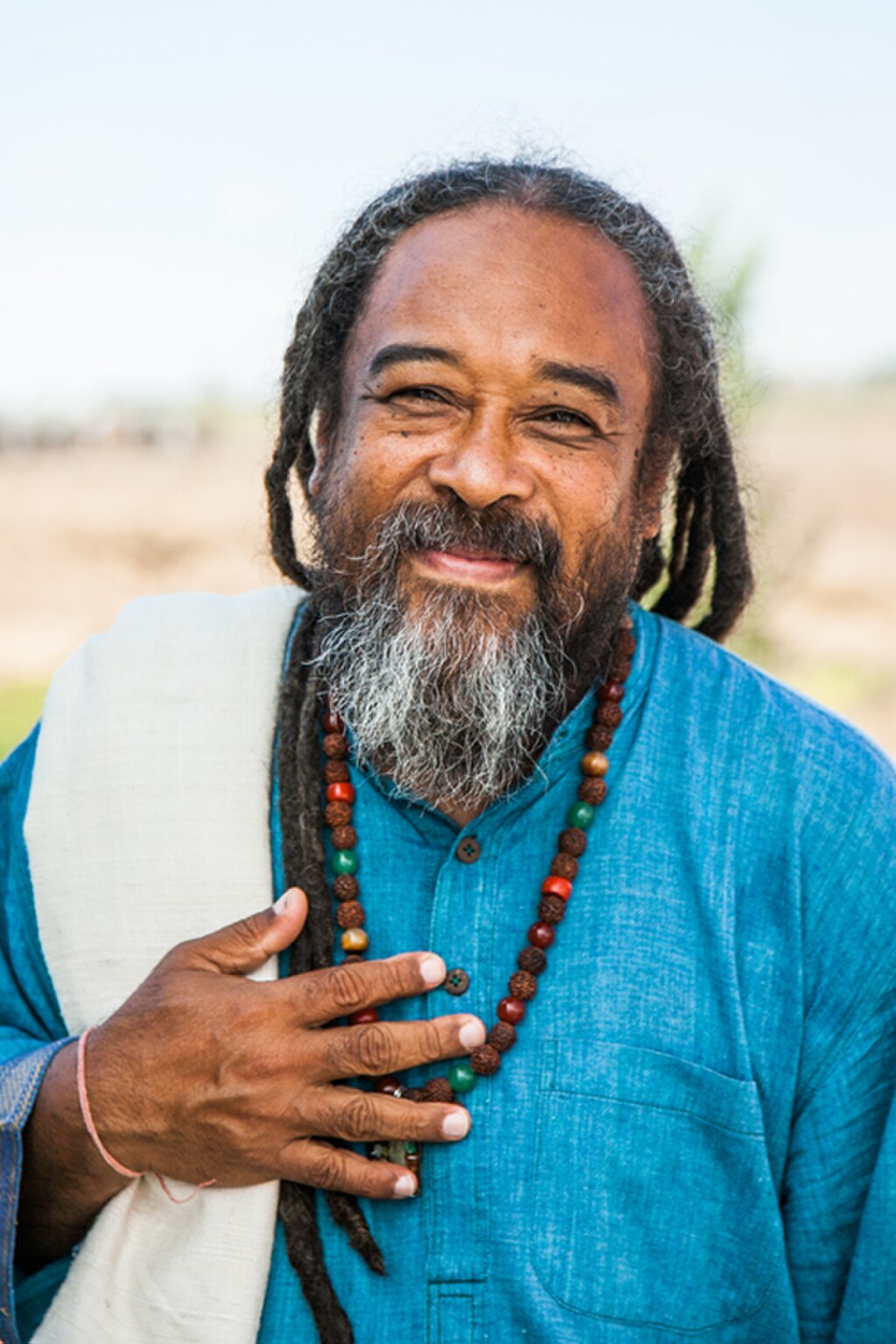
Mooji's profound assertion, "Surrender means giving up the right to be the doer," invites us into a transformative exploration of the self and its relationship to action. At its core, this statement challenges the deeply ingrained belief that we are the architects of our own lives, suggesting instead that true freedom lies in relinquishing this perceived control. The stakes are high: in a world that often equates worth with achievement, the act of surrender can feel like a radical departure from the norm, yet it is precisely this act that opens the door to deeper understanding and connection.
To surrender is not to resign oneself to passivity or to abandon responsibility; rather, it is an invitation to engage with life from a place of openness and trust. This nuanced understanding of surrender allows us to navigate the complexities of existence with grace, recognizing that the essence of our being transcends the roles we play. In this light, Mooji's words resonate as a call to explore the depths of our consciousness, to question the very nature of the doer within us, and to embrace the profound peace that arises when we let go of the need to control our circumstances.
The image / the metaphor
The imagery embedded in Mooji's quote evokes a sense of release, as if we are being invited to unshackle ourselves from the burdens of expectation and self-imposed limitations. The verb "surrender" conjures visions of a gentle yielding, a softening of the heart that allows for a more expansive experience of life. In contrast, the phrase "the doer" suggests an active agent, a figure driven by ambition and desire, often caught in the relentless pursuit of goals. This juxtaposition creates a felt sense of tension between the striving self and the serene state of surrender, highlighting the internal conflict many of us experience.
Diving deeper into the metaphor, we can see that surrender is not merely an act of giving up; it is a profound engagement with the flow of existence. It invites us to recognize that the doer is often a construct of the mind, a narrative that we cling to in an attempt to assert our identity. By letting go of this narrative, we open ourselves to the possibility of experiencing life as it is, unfiltered by our desires or fears. This shift in perspective allows us to embrace a more fluid and dynamic relationship with reality, where we become participants in the unfolding of life rather than its sole authors.
In the speaker's tradition
Mooji's teachings are deeply rooted in the non-dual tradition, which emphasizes the interconnectedness of all existence and the illusion of separateness. Concepts such as "sunyata" (emptiness) and "fana" (annihilation of the self) resonate with his message of surrender, as they point to the understanding that our individual identities are transient and ultimately illusory. In this context, surrender becomes a pathway to realizing our true nature, which is not bound by the limitations of the ego but is instead a manifestation of the universal consciousness that permeates all beings.
A relevant text that echoes this sentiment is the "Ashtavakra Gita," a classic work of non-dual philosophy that speaks to the liberation found in relinquishing the notion of the doer. The text emphasizes that true wisdom arises when one recognizes the futility of striving and instead embraces the stillness of being. This alignment with Mooji's teaching underscores the idea that surrender is not a passive act but a profound awakening to the reality of our existence, where the doer dissolves into the vastness of the cosmos.
Living the teaching
Consider a modern scenario where the teaching of surrender can be profoundly impactful: the workplace. Many individuals find themselves caught in the relentless cycle of deadlines, performance reviews, and the pressure to excel. In such an environment, the belief in being the doer can lead to stress and burnout. By embracing Mooji's teaching, one might begin to approach their work with a sense of openness, recognizing that while they can contribute, the outcomes are not solely within their control. This shift can foster a more collaborative atmosphere, where creativity and innovation flourish in the absence of rigid expectations.
Another application of this teaching can be found in personal relationships, particularly during conflicts. When we cling to the role of the doer, we often become entrenched in our perspectives, seeking to assert our views rather than listening and understanding. By practicing surrender in these moments, we can let go of the need to be right or to control the narrative. This allows for a deeper connection to emerge, where vulnerability and empathy take precedence over ego-driven agendas. In this way, surrender becomes a powerful tool for healing and transformation in our interactions with others.
A reflection
As we contemplate Mooji's profound statement, we are invited to reflect on our own relationship with the concept of the doer. In what areas of your life do you feel the need to control outcomes, and how might surrendering this need open you to new possibilities? This question invites us to explore the delicate balance between action and surrender, encouraging us to embrace the flow of life with trust and openness.



Join the BrightStar Community
Stay connected with daily inspiration, event announcements, and community wisdom