The Illusion of Suffering: A Stoic Perspective
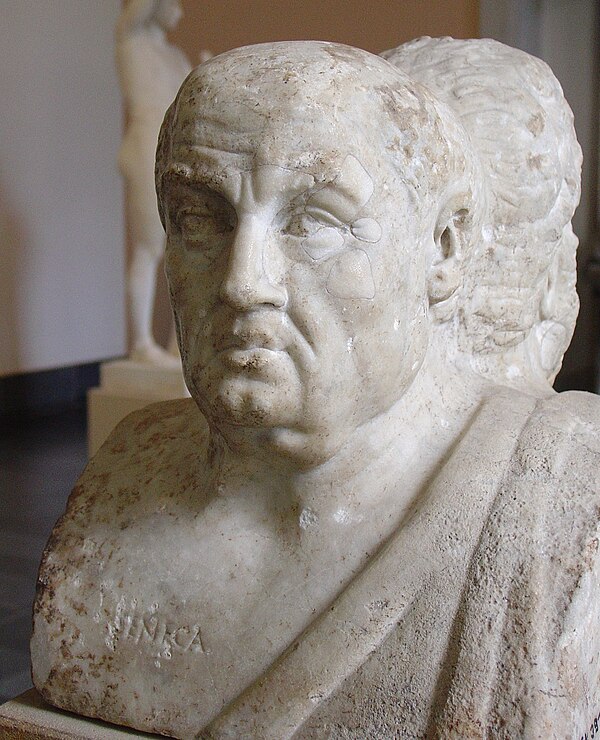
Seneca's assertion that "We suffer more often in imagination than in reality" invites us to reflect on the nature of our fears and anxieties. This profound insight suggests that much of our emotional turmoil is self-generated, arising from our thoughts rather than external circumstances. In a world rife with uncertainty, understanding the distinction between imagined suffering and actual experience becomes crucial for cultivating a life of peace and resilience.
By recognizing that our minds often conjure scenarios far worse than reality, we can begin to dismantle the chains of fear that bind us. This quote serves as a reminder that our perceptions shape our experiences, and that the narratives we tell ourselves can either imprison us or set us free. In a society that often amplifies fear, Seneca’s wisdom encourages us to confront our internal dialogues and seek clarity amidst the chaos of our thoughts.
The image / the metaphor
At the heart of Seneca's quote lies a vivid imagery of suffering as a construct of the mind. The verbs "suffer" and "imagine" juxtapose the tangible experience of pain with the intangible realm of thought. This contrast evokes a sense of liberation; if our suffering is predominantly a product of our imagination, then we possess the power to alter that narrative. The felt sense of this quote resonates deeply, as it invites us to examine the often exaggerated fears that plague our minds.
Diving deeper into the metaphor, we can envision our minds as fertile ground where seeds of fear and anxiety take root. Just as a gardener must tend to their plants, we must cultivate our thoughts with care and intention. By recognizing that many of our fears are unfounded, we can begin to uproot the weeds of imagined suffering, allowing space for more constructive and nurturing thoughts to flourish. This process of mental gardening is essential for achieving a balanced and serene state of being.
In the speaker's tradition
Seneca's wisdom is firmly rooted in the Stoic tradition, which emphasizes the importance of rational thought and the mastery of one's inner life. Central to Stoicism is the concept of *apatheia*, or the absence of destructive emotions, which aligns with Seneca's assertion that much of our suffering is self-imposed. This philosophical framework encourages individuals to cultivate a mindset that prioritizes virtue and reason over emotional turmoil, echoing themes found in other spiritual traditions such as *dharma* in Buddhism, which advocates for a life aligned with truth and ethical conduct.
In his *Letters from a Stoic*, Seneca elaborates on the idea that external events are beyond our control, but our responses to them are entirely within our power. This notion resonates with the Buddhist concept of *sunyata*, or emptiness, which teaches that our perceptions of reality are often clouded by attachment and aversion. By understanding that our suffering is often a projection of our fears, we can cultivate a more profound sense of equanimity, allowing us to navigate life's challenges with grace and composure.
Living the teaching
Consider a modern scenario where this teaching can be applied: a job interview. As the date approaches, one might spiral into a cycle of imagined failures—what if I stumble over my words? What if they don't like me? These thoughts can create a sense of dread that overshadows the actual event. By recalling Seneca's wisdom, we can remind ourselves that the interview is merely a conversation, and the worst-case scenarios we envision are often far removed from reality. This shift in perspective can transform anxiety into a more grounded approach, allowing us to engage with the experience authentically.
Another application of this teaching can be found in relationships. When misunderstandings arise, it is easy to imagine the worst outcomes—fears of abandonment or conflict can loom large in our minds. By recognizing that these fears are often exaggerated, we can approach conversations with a clearer mind, fostering open communication rather than allowing our imaginations to dictate our responses. This practice of mindfulness not only alleviates unnecessary suffering but also strengthens the bonds we share with others, creating a space for understanding and connection.
A reflection
As we contemplate Seneca's assertion, we are invited to ask ourselves: What fears or anxieties do I allow to dominate my thoughts, and how might they differ from my actual experiences? This question encourages introspection and invites us to explore the narratives we create around our suffering. By examining these internal dialogues, we can begin to dismantle the illusions that hold us captive, ultimately leading to a more liberated and authentic existence.